
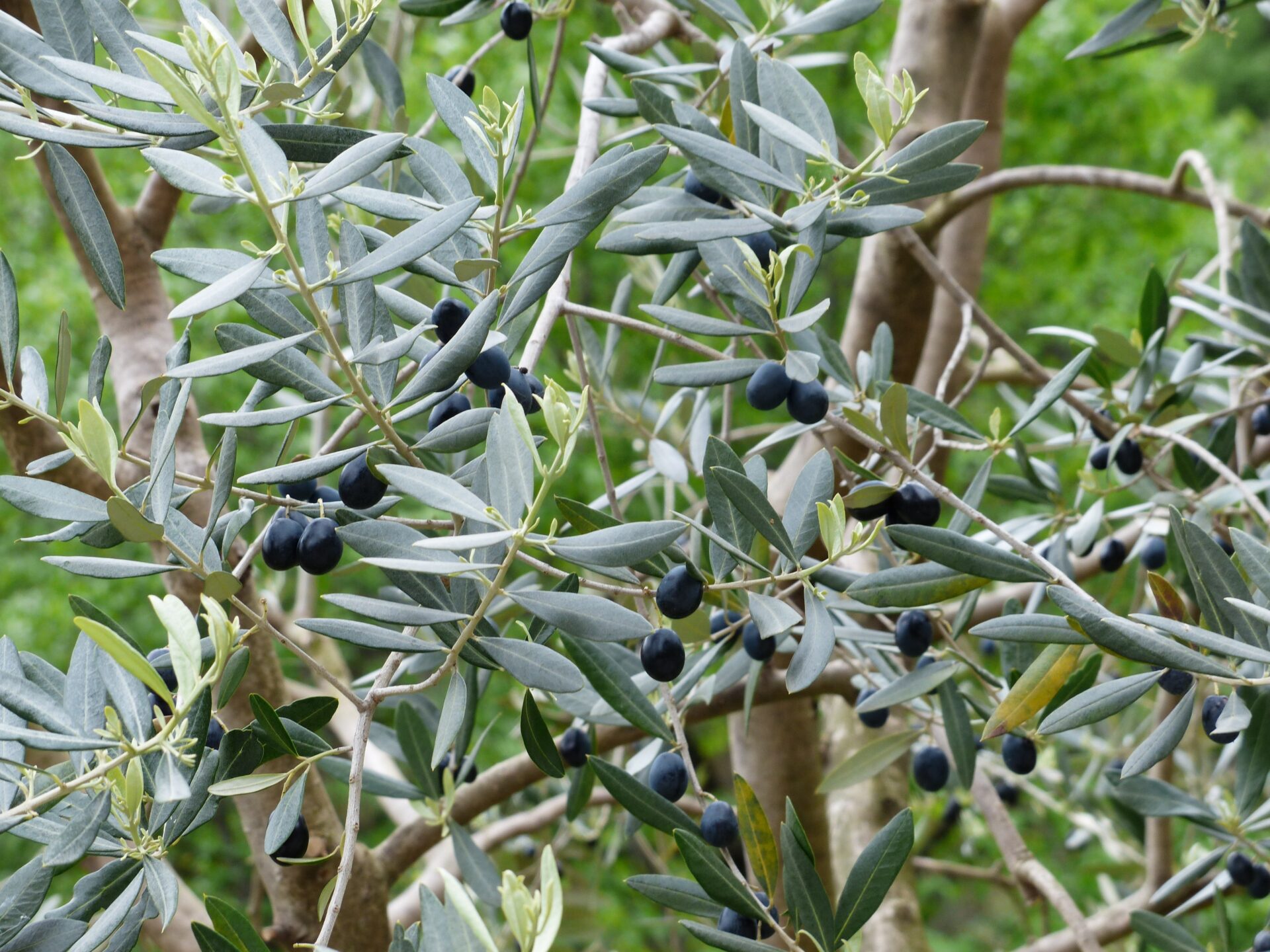
The olive tree, an iconic tree of Provence
An iconic symbol of Provence, the olive is an integral part of our landscapes, our cuisine, and our traditions. As harvest time approaches, let’s learn more about this small fruit that tells a big part of our region’s history!
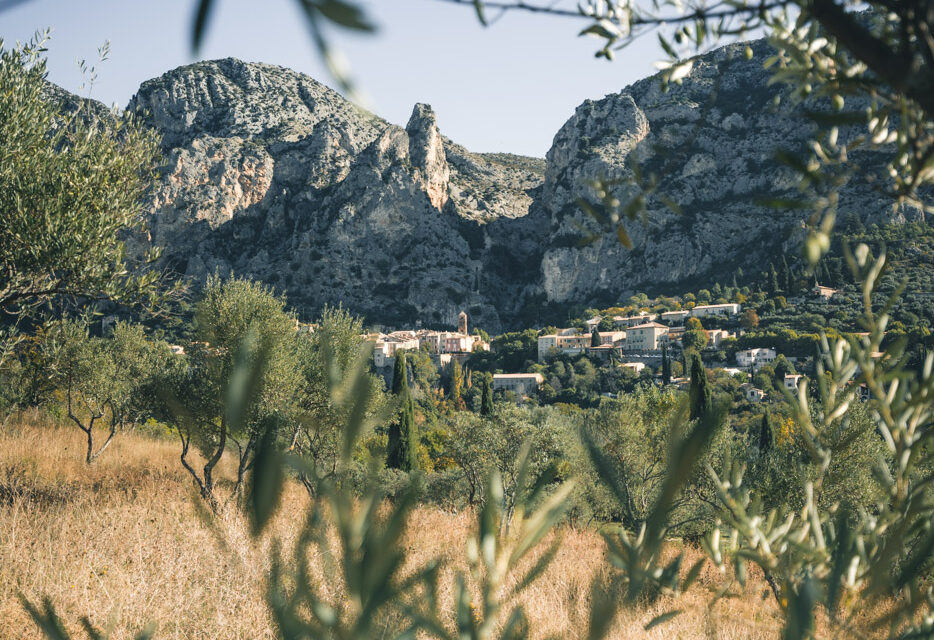 © Stef Kocyla
Moustiers and Its Olive Trees
With its gnarled trunk and silvery foliage, the olive tree has been at the heart of Mediterranean landscapes for centuries. Cultivated in Provence sinceancient times, it symbolizes peace, longevity, and prosperity.
In the Alpes-de-Haute-Provence, the olive groves bear witness to a rich agricultural heritage and a tradition of expertise passed down from generation to generation. As you wander along the paths, these century-old trees serve as a reminder of the importance of olive cultivation in the history of our region.
While exploring the area around Moustiers, you can see, among other things, *restanques*—agricultural terraces supported by dry-stone walls. Built to cultivate sloping land, they bear witness to the work of past generations and their ability to adapt to the Provençal landscape. These landscapes reveal another side of Moustiers: that of a village where agriculture, crafts, and traditions have long shaped daily life.
Fall: Olive Paste Season
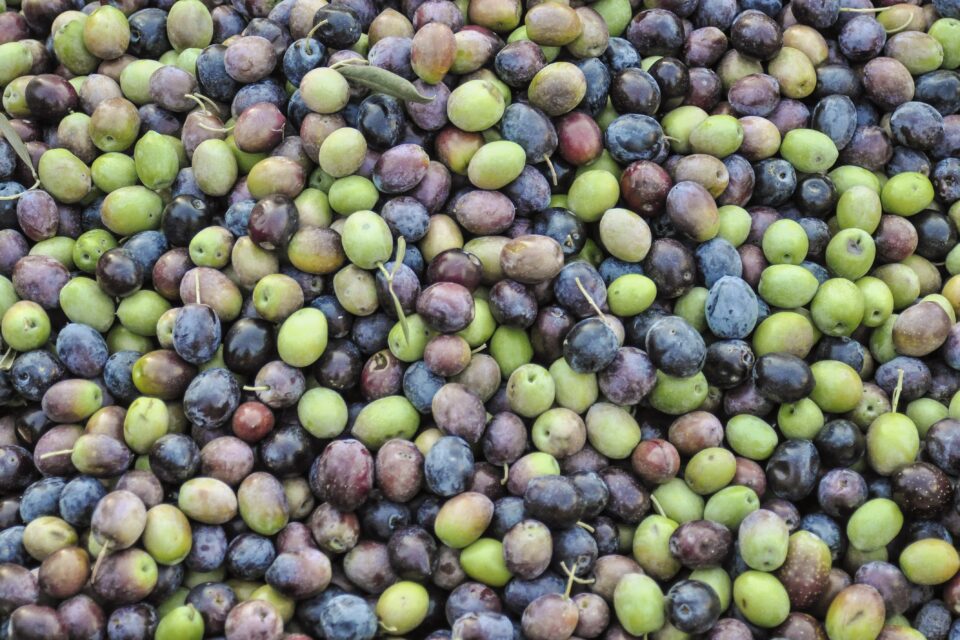
When temperatures start to drop, the olive groves of Provence come to life: it’s the olive spread, the traditional name for the olive harvest. The harvest period varies depending on the variety, the ripeness of the fruit, and its intended use. Green olives intended for consumption are generally harvested as early as September or October, while black olives are picked later, once they have ripened. For oil production, the harvest can last from fall well into the heart of winter. The olive harvest is a true celebration of togetherness. Families and neighbors gather around the trees to pick the fruit, either by hand or with combs.
From Olive to Oil
Once harvested, the olives intended for oil production are transported to a mill. There, they are cleaned, crushed, and then kneaded before the oil is extracted. Depending on the variety and the degree of ripeness of the fruit, the oils develop very different flavors: some have intense, vegetal notes, while others have milder, fruitier aromas. Each oil thus has its own distinct character, reflecting the terroir and the expertise of its producer.
Did you know?
- The olive tree is a particularly hardy tree. Well-suited to the Mediterranean climate, it can live for several hundred years.
- A green olive and a black olive are not necessarily two different varieties. Their color often depends on their degree of ripeness.
- Olive oil was once used for lighting. Before modern lighting became widespread, it was used to fuel certain oil lamps.
- A freshly picked olive is not usually eaten right away. Its bitterness requires preparation before it can be eaten as a table olive.
- Olive oil was already being transported in ancient times. Carried in amphorae, it was one of the goods traded throughout the Mediterranean.
Enjoy Provence in Moustiers-Sainte-Marie!
Fall is the perfect season to explore Moustiers-Sainte-Marie and the treasures of its region. As you stroll around the village, take the time to admire the olive trees, the old agricultural terraces, and the dry-stone walls that bear witness to its rural past. By choosinglocal products and taking an interest in the expertise of our producers, you’re also helping to keep this agricultural and culinary heritage alive.
In Moustiers-Sainte-Marie, you can admire the scenery, discover local traditions, and savor the flavors of Provence!